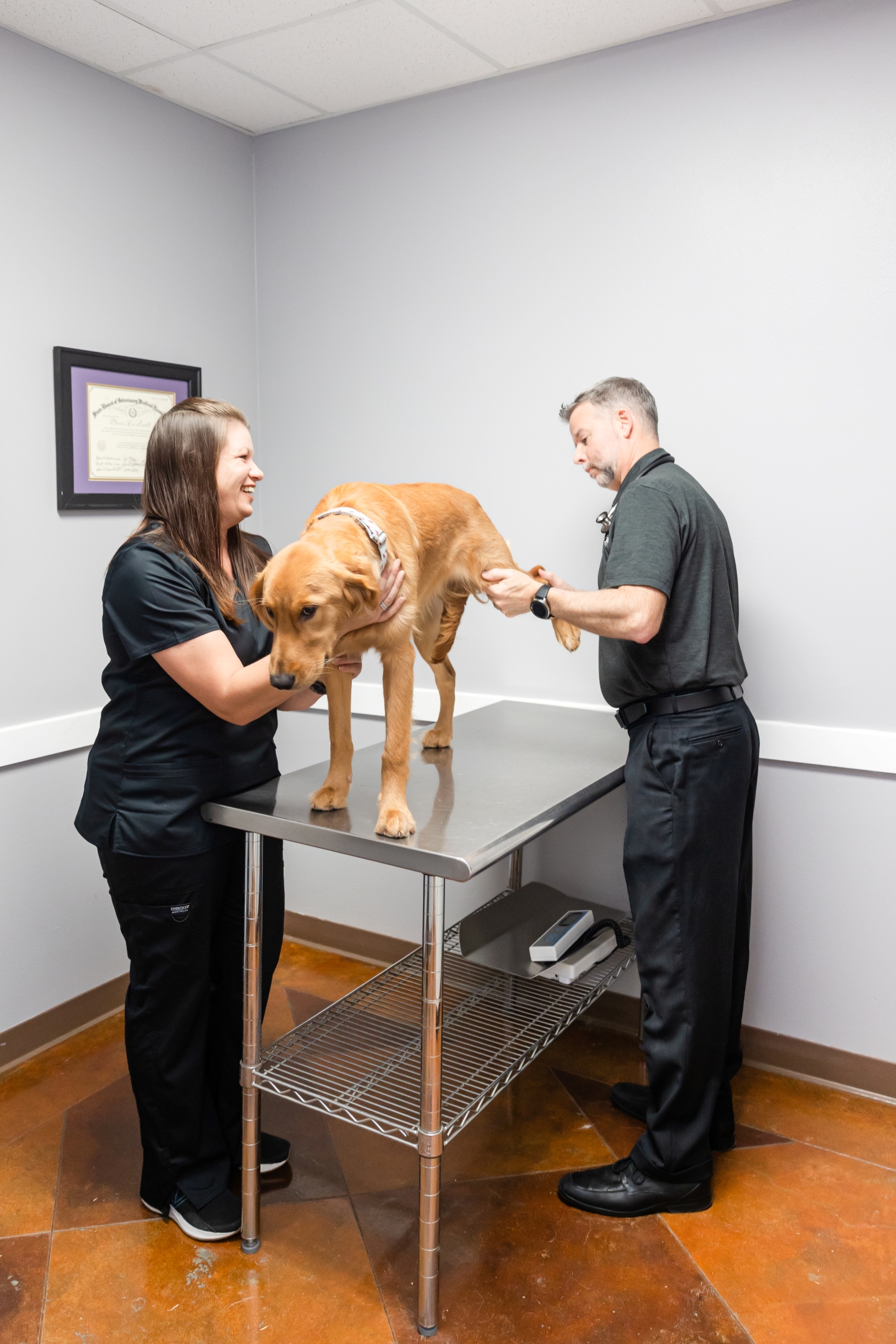
Prairieville Animal Hospital Veterinarians and Pet Dental Health
The first time I walked into a small, sunlit exam room at Prairieville Animal Hospital, I expected to hear the usual questions about vaccines and weight. What surprised me was how often the topic drifted toward something many clients overlook until a problem surfaces: dental health. It’s not merely about fresh breath and a clean mouth. A veterinary team that treats dental health as part of a broader picture can change a pet’s quality of life in measurable ways. Over the years, I have watched dogs and cats, and yes, even some rabbits, transform after a well-planned dental assessment and treatment plan. The story of your pet’s mouth becomes the story of their energy, appetite, and day-to-day comfort.
If you are a client or a prospective client of Prairieville Animal Hospital, you know the place has earned its reputation for listening carefully and acting with practical wisdom. The veterinarians here balance scientific know-how with a grounded sense of how pets live. That means partnering with you to understand your pet’s habits, the home environment, and your daily routines. It also means recognizing that dental care is not a one-off appointment but an ongoing conversation.
Dental health at home starts with small, consistent steps. You might not realize it, but a penny-pinching approach to dental care can end up costing more in the long run. Regular dental checks, a conscientious brushing routine, and appropriate dental diets or chews can slow the progression of periodontal disease and keep your pet more comfortable between visits. At Prairieville Animal Hospital, the veterinary team emphasizes practical, implementable plans. They show you what to use, how to use it, and what not to do, all grounded in the realities of living with a pet who would rather chase a ball than let a brush near its teeth.
The relationship between a veterinarian and a pet owner grows strongest when communication moves beyond a single appointment. That is where a clinic like Prairieville Animal Hospital earns its keep. The staff remember histories, not just medical records. They know which patients tolerate restraint during a dental cleaning, which require mild sedation, and which respond best to a gentle, hands-off approach. This kind of continuity matters when you plan long-term dental care. It is the difference between a scare story you hear about a dog that needed multiple extractions and a well-managed, preventing program that keeps most of the teeth intact for a lifetime.
A practical look at how this unfolds begins with a standard but thorough dental exam. In many clinics, the exam feels quick, almost perfunctory. Here, the exam has weight. A veterinarian will assess gum color, plaque presence, tooth mobility, and any signs of infection that lie beyond the obvious. They will ask about changes in eating behavior, reluctance to chew, or trouble with toys. They will observe breath quality, which, when abnormal, can signal issues beyond a simple bad odor. In some cases, a dental radiograph is necessary to reveal the health of tooth roots, the presence of bone loss, or hidden disease beneath the gumline. The ability to interpret radiographs on site allows the team to deliver a diagnosis and a plan without forcing families into a separate, additional appointment at a different facility.

This integrated approach matters because dental disease does not exist in isolation. A mouth that hurts makes it harder for a pet to eat a normal diet. Pain can cause irritability, reduced activity, and changes in grooming habits. In senior pets, dental disease often coexists with systemic conditions such as kidney disease or diabetes, and the veterinary team takes that into account when planning treatment. The idea is not to extract teeth for the sake of it, but to preserve function and comfort whenever possible. When extractions are necessary, the veterinarians explain alternatives, potential outcomes, and the expected recovery timeline so that owners feel informed and involved every step of the way.
The professionals at Prairieville Animal Hospital bring a mix of clinical rigor and real-world practicality. They understand that many households juggle busy schedules, and dental care must fit into that rhythm. This means offering flexible scheduling for routine cleanings, pre-anesthetic assessments that streamline the day of the procedure, and clear aftercare instructions that fit a family’s routine. They also maintain a thoughtful approach to anesthesia, balancing safety with effectiveness. Modern dentistry in veterinary medicine has evolved to include safer anesthesia protocols, thorough monitoring, and pain management strategies that minimize discomfort during and after the procedure. The hospital’s team stays current with best practices, and you can feel the confidence in their voices when they describe the steps they will take to protect your pet.
One of the most meaningful aspects of veterinary dentistry at Prairieville Animal Hospital is the emphasis on prevention. A monthly email reminder about dental care may feel routine, but it translates into real-world action for many families. The reminder is not a nag; it is an invitation to review progress, adjust routines, and celebrate small but important gains. The staff are honest about common obstacles too. Some pets resist brushing, others simply forget the habit when life gets busy. In those cases, they propose practical alternatives such as dental diets, treat varieties designed to reduce plaque, or water additives that are easy to incorporate into daily life. The goal is to create a sustainable routine rather than a short-term fix.
A few guiding ideas tend to come up consistently in conversations at Prairieville Animal Hospital. First, early detection matters. The sooner dental disease is identified, the easier it is to manage. A mild buildup can usually be addressed with a professional cleaning and a change in home care. Later stages may require more extensive work, but with a careful plan and patient adherence, many pets maintain function and comfort. Second, systemic health intersects with dental health in sometimes surprising ways. Chronic inflammation in the mouth can affect the heart and kidneys over time, just as issues in those organs can influence dental health. The veterinarians explain this interplay to clients with patience and clarity, adding context that helps families make informed choices.
Let us consider a few common scenarios you might encounter with your pet and how Prairieville Animal Hospital guides you through them. A middle-aged dog with stubborn breath and occasional difficulty chewing might be a prime candidate for a thorough dental evaluation. The veterinarian will look for tartar accumulation, gingival recession, and any signs of tooth root infection. The plan may involve a professional cleaning under anesthesia, a dentition assessment, and a discussion about home care that reduces future buildup. The owner leaves with a schedule for pre-anesthetic testing, a post-procedure pain management plan, and a set of simple home care steps that begin immediately after the anesthesia wears off. The result is not just cleaner teeth but a more comfortable dog who can enjoy meals and treats again without hesitation.
A cat presenting with reluctance to eat soft foods or apparent pain during bite attempts is another frequent call. Cats often hide dental pain well, so owners may notice subtle shifts in behavior rather than dramatic indicators. A careful physical exam at Prairieville Animal Hospital, along with dental radiographs if needed, helps determine whether the issue is rooted in a tooth, a periodontal pocket, or a more systemic problem. The recommended path might include extraction of a problematic tooth or root canal therapy, depending on the location and severity. The team explains both the risks and the potential for long-term improvement, then supports the family through recovery at home with specific feeding instructions and pain management guidance.
In all these cases, the relationship between veterinarian and client is central. There is no presumption that a pet owner should know exactly what a dental plan entails. The clinic takes time to walk through options, compare costs, and discuss the expected timeline for healing. They know that each pet is different, with its own tolerance for handling, its own appetite, and its own set of daily routines to respect. The conversations are practical rather than clinical in the abstract. They connect the science to real life, which is what keeps pet families engaged and motivated.
When a pet does require professional cleaning, the experience is designed to minimize stress. Each step of the process is explained, from the pre-operative assessment to the moment the pet returns to a calm, recovery-ready state. For many families, the first visit to the dental suite is a turning point. They realize this is not a punitive measure but a proactive step toward comfort and longevity. Post-procedure follow-up communicates what is typical in the days after a cleaning, what signs to watch for that would warrant a call to the clinic, and how to gradually reintroduce normal routines. The goal is to restore confidence in eating, playing, and interacting without pain.
A longer view also shapes how Prairieville Animal Hospital approaches dentistry. The team understands that prevention is the most efficient and humane path. Frequent, small interventions keep most pets on a smooth trajectory. The clinic offers guidance on brushing techniques that work for different temperament types. They tailor recommendations to dogs that resist a brush on the mouth, cats with a touchy mouth, and more exotic pets where safety concerns require specialized approaches. In every case, the vet's advice aims to be accessible and practical. It is not about achieving perfect dental health overnight but about building durable habits that persist across seasons and life events.
In practice, this means the veterinary team uses a combination of diagnostic tools and hands-on experience to tailor a plan for each patient. The radiographs, when employed, reveal roots tucked under the gum line or bone loss that would otherwise be invisible. They help determine whether to extract a tooth or preserve it, and they guide the choice of anesthesia, analgesia, and antibiotics if needed. Your pet’s comfort during and after the procedure is a core concern. Pain management is not an afterthought; it is integrated into the treatment plan from the first moment. The clinic stays mindful of the fact that pets experience pain differently than humans and requires a thoughtful, compassionate approach to ensure they recover with as little distress as possible.
Choosing a dental care partner for your pet is about more than the dentist chair and the X-ray machine. It is about the people who show up for you when the shirt sleeves get stained with saliva and the dog refuses to hold still, when the timeline of a healing process feels long, and when you worry about the total cost of care. Prairieville Animal Hospital has built a culture around clear communication and practical outcomes. The veterinarians do not promise miracles, but they do promise steady progress and honest reporting. They are careful with scheduling, honest about costs, and generous with education so you feel confident making decisions for your pet.
If you are trying to assess whether your pet would benefit from a dental visit, consider a few telling signs. Is there a persistent bad breath that lingers despite regular brushing? Do you notice yellow or brown tartar buildup on the teeth, especially along the gum line? Has your pet shown a preference for softer foods or avoided hard chews that previously brought joy? Are you seeing pawing at the mouth, drooling without obvious cause, or attempts to avoid being touched near the mouth? These are practical signals that a dental assessment could be valuable. The Prairieville Animal Hospital team welcomes questions and will discuss what a recommended plan might look like, including timelines and financial considerations.
A quiet, often overlooked factor in dental health is the environment at home. The home is where habits are born and reinforced. A house with a routine that includes a morning brushing can become a culture of care, with the family learning to notice subtle changes that could signal problems. The veterinary team understands that not every home has the same resources or time. They propose tiered options: a high-engagement plan for families who can sustain frequent brushing, a moderate plan that relies more on dental diets and occasional professional cleanings, and a lightweight plan that still preserves dental health through regular checks and targeted interventions. Each plan comes with clear milestones and practical steps that can be implemented without disrupting daily life.
In the end, what makes Prairieville Animal Hospital stand out is the blend of clinical skill and everyday practicality. The veterinarians here treat teeth as part of a living system, connected to the pet’s mood, energy, and appetite. The practice reflects a philosophy that you meet pets where they are, both physically and emotionally, and you work with them to improve quality of life over time. This is not about chasing quick fixes but about sustainable care that respects the animal’s experience and the family’s reality. It is a animal hospital near me philosophy built on listening, shared decision-making, and a long view of health.
Two practical viewpoints come up often in conversations with clients. First, prevention is best when it is consistent. A small, repeatable routine creates a sense of normalcy for the pet. Second, when treatment is necessary, it should be reasoned, measured, and transparent. The team at Prairieville Animal Hospital embodies this approach. They discuss potential outcomes, the likelihood of success, and the possibility of needing follow-up care. They are careful to set expectations and to adjust the plan as the pet's response becomes clear.
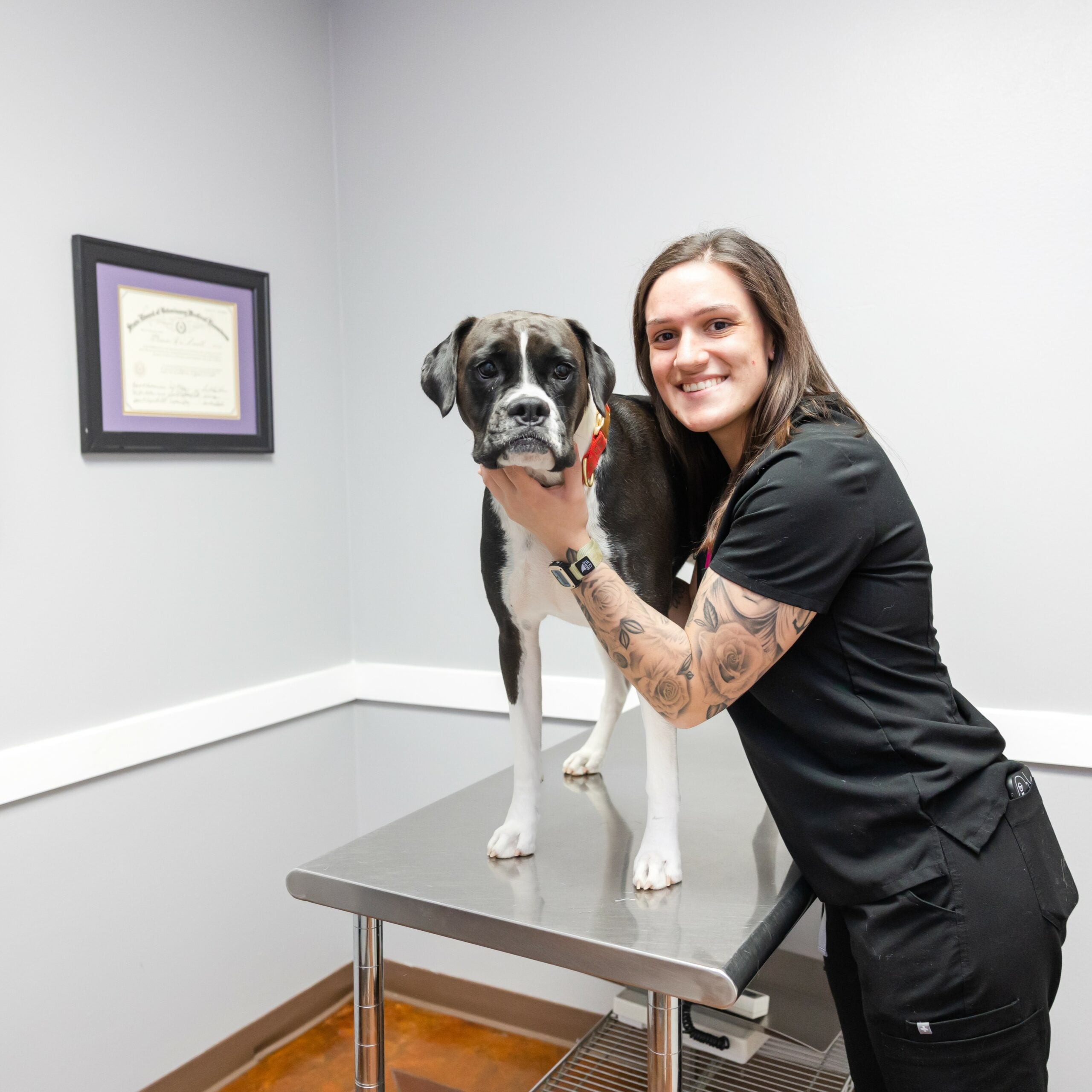
If you are at the stage of selecting a veterinary partner for dental health, consider this: a clinic that treats dental health as an integrated part of overall wellbeing will likely be the clinic that helps your pet stay comfortable longer. The team at Prairieville Animal Hospital offers that integration. They bring together preventive care, diagnostic acumen, and compassionate clinical care into a coherent path forward. They understand that dentistry is not a stand-alone concern but a thread that runs through every aspect of a pet’s life.
To give you a sense of the day-to-day realities, here is a snapshot of practical matters that families often encounter. Scheduling can be flexible, with early morning or late afternoon slots available for those who work full-time jobs and still want to keep their pet on track with dental care. Pre-anesthetic testing is standard, especially for older pets or those with known health issues. The tests, which may include blood work and a basic physical assessment, help minimize risk and inform the anesthetic plan. During the procedure, the team monitors the pet's heart rate, oxygen levels, and temperature, adjusting care as needed. After the procedure, owners receive explicit instructions on pain management, feeding, and activity restrictions. Most pets recover quickly, with many resuming their usual routines within a day or two.
The longer you stay with Prairieville Animal Hospital, the more you notice the subtle, practical wisdom that informs every decision. There is respect for the animal’s experience, an appreciation for the owners’ daily realities, and a commitment to evidence-based practice. It is a combination that translates into fewer surprises and more predictably good outcomes. For families who have watched a dog long enough to see how pain can color a pet’s life, this is not a small thing. It changes how a pet greets the morning, how eagerly they accept a meal, and how they engage with their people and with play.
If you are curious about getting started, the path is straightforward. A call or an online appointment at Prairieville Animal Hospital can initiate a dental health assessment. The veterinarians will typically begin with a conversation about the pet’s eating habits, any changes in behavior, and a review of home care routines. They may recommend a dental radiograph to investigate beyond what the eyes can see, particularly if there is persistent bad breath, gum inflammation, or tooth sensitivity. From there, a tailored plan emerges. It could be a routine dental cleaning under anesthesia, a targeted extraction, or a combination of in-clinic treatment and at-home care reinforcements. You can expect a written estimate that breaks down costs into components such as anesthesia, cleaning, imaging, and any extractions, along with a clear outline of aftercare steps.
A final thought on the topic: dental health is not glamorous, but it is essential. It is a daily ask that has long-term payoffs in terms of comfort and vitality. Prairieville Animal Hospital treats this truth with seriousness, but not without warmth. The team makes space for questions, shares realistic expectations, and remains focused on what matters most—the pet’s day-to-day happiness and well-being. In my experience, watching the impact of thoughtful dental care on a dog that once struggled with chewing and a cat that could no longer keep up with a favorite toy reinforces why this work matters. It is a domain of veterinary medicine where patience, practice, and partnership with the owner converge to produce tangible, lasting benefits.
What follows is a practical note on maintaining momentum after a dental visit. Trust the routine more than the drama. If your pet has undergone a cleaning or a minor procedure, monitor the gums and teeth for a few days and watch for signs of discomfort. A gradual return to normal appetite and activity is common, and a mild amount of swelling or sensitivity can be normal in the early recovery period. Should you notice persistent pain, swelling, or a fever, contact Prairieville Animal Hospital promptly. The clinicians are accustomed to guiding families through the specifics of healing, and they keep lines of communication open so you can report progress or concerns with confidence.
Let me circle back to an overarching takeaway. The most meaningful dental care for pets happens in the daily moments at home, supported by the veterinary team that knows when to intervene. Prairieville Animal Hospital embodies this balance of daily practice and strategic care. It is a place where you can be honest about the challenges of brushing a stubborn terrier or a wily cat who has learned to outsmart the toothbrush. It is a place where you can expect a plan that respects your pet’s personality, your family schedule, and your budget. It is a place where the mouth is understood as a gateway to overall health, a truth that transforms how you think about care for your animal companion.
Two brief notes about the practical side of dental health, drawn from real-world experiences with clients and patients over the years:
- What to expect at a routine dental cleaning: The pet is typically placed under anesthesia for safety and thoroughness. A licensed veterinary technician monitors the pet while the veterinarian scales tartar, polishes surfaces, and addresses any gingival inflammation. Radiographs may be taken to evaluate tooth roots and bone support. Aftercare usually includes a short rest period at the clinic, followed by clear instructions for home care and activity restrictions for a day or two.
- Home care that makes a difference: Start small. A few minutes of brushing two to three times per week can slow the progression of plaque formation. Use a pet-safe toothpaste and a brush that fits your pet’s mouth and temperament. If brushing proves impractical, explore alternative approaches such as dental diets or water additives that are specifically formulated to reduce plaque. The key is consistency and gradual improvement rather than perfection from day one.
Prairieville Animal Hospital stands as a testament to the value of a veterinary team that treats dental health as a cornerstone of overall well-being. The clinicians bring a practice that is both scientifically grounded and attuned to the realities of pet ownership. They counsel with clarity, support families with practical options, and deliver care with a steady hand. That combination makes a real difference for pets whose smiles you want to keep bright for years to come.
If you’ve not yet scheduled a dental check for your furry companion, consider this prompt from the heart of professional practice: your pet needs a trusted partner who will walk the path with you, offering honest assessments, transparent costs, and practical steps you can implement today. Prairieville Animal Hospital is built on that promise. The result is a care experience where dental health is not an afterthought but a sustained program that honors the animal’s comfort, dignity, and vitality. The dogs, cats, and other small companions who sit in that examination room deserve nothing less.
In closing, the story of pet dental health is not a single scene but a collaboration. It is the moment when a veterinarian explains a plan, the owner asks a question, and a pet responds with a wag of the tail or a contented purr. It is the quiet daily work of brushing, feeding, and routine checkups, all supported by a clinic that knows how to make tough decisions feel straightforward. Prairieville Animal Hospital has earned its place in that narrative by serving as a steady partner for families who want the best possible care for their animals. If you are looking for a veterinary team that treats dental health with seriousness, empathy, and practicality, you will find it here. The mouth, after all, is not just about teeth. It is about living well, every day.