The Prairieville Animal Hospital Veterinarian's Guide to Pet Fitness
A good fitness routine for a pet is less about vanity and more about longevity, mobility, and daily joy. At Prairieville Animal Hospital, we see the consequences of sedentary lives as clearly as we see the benefits of movement. An active dog or cat moves with less stiffness, maintains healthier joints, and tunes into routine veterinary care with fewer hiccups. This guide blends practical advice drawn from everyday practice with the realities of life in a busy household. It is written for caretakers who want to do right by their animals without turning workouts into a second full-time job.
If you are a client of Prairieville Animal Hospital veterinarian, you know that our approach centers on watching the animal, not the calendar. Fitness is not a status you reach and abandon; it is a cycle of assessment, adjustment, and ongoing engagement between pet, owner, and clinician. The rhythms of rural life, the cadence of a city commute, or the rhythms of a fenced yard all shape how we design activity. Below you will find a practical framework you can apply starting today, plus cautions and adjustments that come with age, breed, and medical history.
The core idea is simple: regular, varied, age-appropriate activity builds resilience. It is not a one-size-fits-all program. Every pet carries a different set of bones, muscles, and quirks. Respect those differences, and you will unlock clear benefits—better energy for daily play, smoother transitions between aging and mobility, and a calmer, more predictable temperament at the end of the day.
The foundation is structure. We do not advocate punishment or relentless routines; we advocate predictable patterns. Short daily activities aligned with your pet’s interests and abilities tend to be more sustainable than long weekend marathons. In practice, this means a mix of aerobic work for heart and lungs, strength work for muscle and joint support, and cognitive challenges that keep the mind engaged. The combination yields a more comfortable, capable animal and, by extension, a more confident owner.
Assessing fitness starts at home, with simple observations that translate into medical decisions. A pet’s walking gait, energy level, appetite, and even sleep quality offer signals about how they are coping with activity. A dog who tires after a brisk walk but recovers quickly may simply need longer warm-ups. A cat that hides after a short climb might be signaling pain or discomfort that needs a veterinary check. The key is to create a routine that diagnoses, corrects, and maintains.
The layout that follows is practical and experience-based. You will see sections on evaluating readiness, designing a weekly plan, common pitfalls, and breed or age-specific considerations. I pepper real-world examples throughout—things I have seen in our exam rooms or on long afternoon rounds with clients who told me they wanted a better life for their pets.
Evaluating readiness without overthinking it
Before you lace up, look inward. Fitness is not just about moving; it is about moving safely. A pet’s current health status dictates what counts as safe and what requires medical clearance. This is not abstract. A dog with hip dysplasia, for instance, will benefit from controlled, low-impact activity rather than high-speed runs. A cat with early arthritis may respond to gentle stair work and supervised leash walks, but you may need to tailor frequency and duration to avoid flare-ups.
Begin with a few questions you can answer honestly:
- How mobile is your pet on a typical day? Are stairs an easy or challenging feature?
- Do you notice stiffness after rest periods or soreness after activity?
- Are there age-related changes in appetite or sleep that might suggest fatigue or pain?
- How engaged is your pet during play, and how quickly do they recover after exercise?
From these questions you can derive a practical starting point. We often see pets excel when owners begin with short, regular sessions that align with natural energy patterns. For a device-free approach, a good starting point is three 10-minute sessions daily of moderate activity, with a gentle cool-down period. For many dogs, that structure is simple enough to maintain while still providing meaningful cardiovascular and muscular benefits. Cats may do well with two or three short play periods that incorporate climbing surfaces, gentle chasing games, and interactive toys. The aim is consistency rather than intensity.
Designing a practical week
A weekly plan should reflect a balance among cardio, strength, flexibility, and mental stimulation. You do not need a gym or fancy equipment to make meaningful progress. The simplest tools can be surprisingly effective: a sturdy stair, a long hallway, a rubber live-in toy that rolls, and a handful of treats as behavioral incentives. You want a plan that you can execute with your existing routines and resources.
In practice, a balanced week looks like this:
- Cardio days: two or three days that emphasize sustained, mild-to-moderate exertion. For dogs, this might mean a 20 to 30 minute walk with short bursts of trotting. For cats, a hallway with a rolling ball or a laser pointer session that keeps them moving without stressing joints.
- Strength days: one to two days focused on muscle building and joint support. Exercises involve controlled weight-bearing surfaces or resistance, like stepping up onto a low step, controlled sits and stands, or the occasional light tug game that does not provoke pulling on the neck.
- Mobility and flexibility days: shorter, more deliberate sessions that emphasize range of motion. Gentle stretches and slow controlled rotations work well, especially for older pets or those with stiffness.
- Mental enrichment: daily or near daily activities that challenge the brain and encourage natural behaviors. Puzzle feeders, scent games, and supervised exploration of novel environments keep a pet engaged without overexertion.
Crucially, you should adapt every week based on how your pet responded the week before. If a dog returns from a long walk with stiff hips, shorten the next week’s cardio window and add more warm-up time. If a cat shows increased interest in vertical exploration after a month, allow more climbing opportunities and adjust the pacing. Fitness is dynamic; the plan should reflect that.
Two lists to help you implement this plan effectively
-
Foundational tools and setup
-
A soft harness or well-fitted collar for safe walking and controlled movement
-
A sturdy step or low platform to build leg strength safely
-
Interactive toys that encourage movement but are not overwhelming
-
A reliable leash option for cats that allows controlled exploration without too much restraint
-
A simple, consistent schedule that you can maintain across workweeks and weekends
-
Signals that you are on the right track
-
Your pet returns to their baseline energy quickly after exercise
-
They show renewed interest in daily activities and play
-
Muscles feel firmer to your touch after a few weeks of consistent work
-
Stiffness or lameness decreases after gentle cooldowns or modified routines
-
Sleep patterns normalize and daytime activity improves
Two lists keep things concise while letting you reference quick checks.
Edge cases and common pitfalls
The path to better fitness is rarely linear. You will encounter days when a plan feels too ambitious or when a pet seems temporarily resistant to movement. Do not press through pain or persistent reluctance. Pain and fatigue are signals that you adjust course. For example, if a dog with a prior tendency to sprint shows reluctance during a planned jog, you may swap to a longer, slower walk with more frequent pauses to check in on breathing and gait. If a cat that previously tolerated stairs begins avoiding them, return to ground level play and reintroduce elevation gradually later.
There is a risk in overplanning or turning activity into a moral test. We see caretakers who push too hard because they believe that more is always better. That impulse can backfire. Joint health, cardiovascular fitness, and weight management are all nuanced. Too much pressure too soon can lead to inflammation, reluctance, or even injury. The better practice is steady progression with regular veterinary check-ins. Your Prairieville Animal Hospital veterinarian can help tailor a pace that respects aging, breed predispositions, and existing medical concerns.
Age and breed considerations
Age veterinary clinic near me matters in practical ways. Young puppies and kittens are typically energetic but may require extra supervision and more frequent, shorter sessions to avoid overuse injuries. The emphasis with youngsters is learning body awareness and safe movement rather than long endurance work. For senior pets, joint protection becomes paramount. Shorter sessions, more rest between activities, and increased warm-up and cooldown times help protect joints and maintain mobility.
Breeds differ in their needs. Hounds often benefit from scent-based enrichment that encourages walking while leveraging their natural drive to explore. Terriers may respond to short, frequent bursts that build muscle and provide mental stimulation. Giant breeds require careful weight management and lower-impact cardio to spare joints. Mixed-breed dogs can display a wide range of needs that necessitate a diverse plan. For cats, indoor environments benefit from vertical space and enrichment that promotes climbing and exploration, reducing the urge to binge on sedentary behavior.
Medical considerations that shape fitness
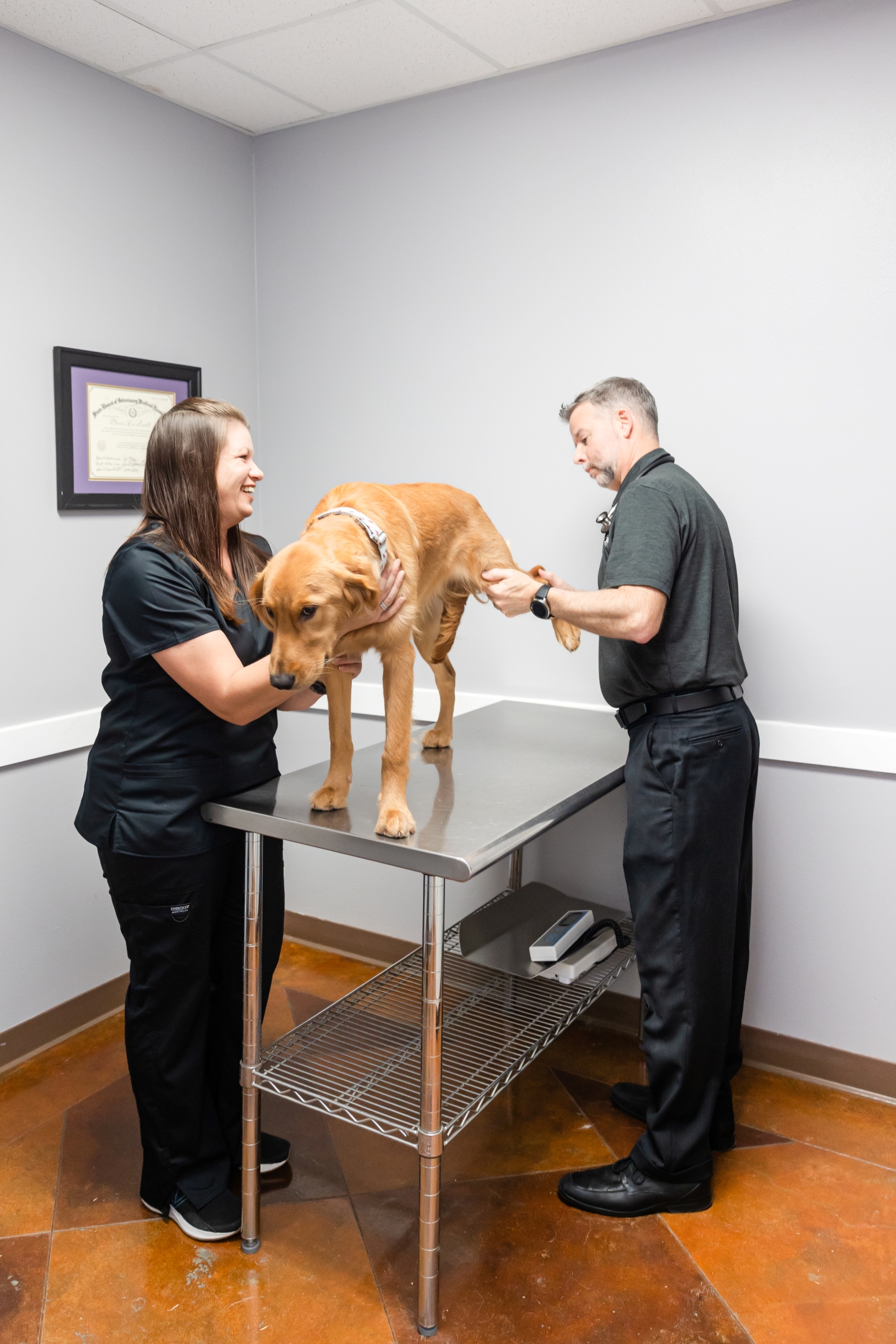
Veterinary oversight is essential when you have medical concerns or a pet on medications. Joint disease, heart conditions, respiratory limitations, and recent surgeries alter what counts as safe activity. In our clinic, we emphasize three steps: assessment, adjustment, and ongoing monitoring. An initial assessment may involve gait analysis, a basic cardiovascular screen, and a discussion of pain scores if appropriate. The adjustment phase is where we modify intensity, duration, or frequency to align with the pet’s current status. Ongoing monitoring means we want updates from you, especially after changes in routine. A quick note about a dog returning from a walk with limping or a cat showing reduced appetite after a day of activity should prompt a call to your veterinarian.
What a practical month looks like in the real world
Take Sam, a five-year-old Labrador who came to Prairieville Animal Hospital with a stiff hip and a love for long runs. His week started with three 15-minute loops around the neighborhood, two short strength sessions focusing on stepping onto a low platform, and one mental enrichment afternoon with puzzle toys. The next week we adjusted by adding a longer warm-up, cutting one jog, and rotating in two days of mobility-focused work. After six weeks, Sam showed improved gait, less visible stiffness, and more consistent energy in the evenings. His owner learned to read Sam’s signs—slower tail wagging during the early morning walk meant extra warm-up before heading out, while quick head turns toward the yard indicated a desire to play but needed a shorter session.
The human factor
A fitness plan for pets is most successful when the owner is consistent and patient. The work you put into planning, scheduling, and adapting will pay dividends in a pet that looks forward to daily movement rather than avoiding it. You cannot outsource this to a calendar or a smart device alone. The bond you build through daily interactions, the small moments of shared control and mutual effort, are as important as the activity itself.
The veterinary lens on long-term fitness
A clinician’s perspective anchors everything in preventive care. Routine exercise supports healthy weight, which in turn reduces the load on joints and improves cardiovascular function. Weight management is affordable, practical, and yields measurable differences in activity tolerance. It is not just about appearances; it is about a pet’s ability to climb stairs, chase a toy, or simply enjoy a nap without stiffness.
We often see weight gain accelerate after life changes—moving, a new job, or a different schedule. In these moments, rethinking the routine is essential. A shorter, more predictable daily plan can prevent health declines associated with inactivity. If you notice a pet’s appetite changes or behavior shifts alongside a new schedule, a veterinary check-in helps ensure your plan remains aligned with their health status.
Practical tips for Prairieville households
- Schedule matters. Put activity into the daily rhythm, not as an afterthought. A predictable routine makes it easier for everyone to participate and maintain consistency.
- Use leverage wisely. Treats or favorite toys can be powerful motivators, but be mindful of overall caloric balance. The goal is enriched movement, not excess calories.
- Prioritize joints early on. If your pet has a tendency toward stiffness, a gentle but frequent approach is more effective than a few long sessions that provoke soreness.
- Keep surfaces friendly. Soft, non-slip flooring or runners in high-traffic areas can prevent slips and reduce stress on joints.
- Seek professional input when needed. If you observe persistent lameness, coughing during exertion, or notable changes in breathing, contact your Prairieville Animal Hospital veterinarian promptly.
A final note on mindset and continuity
Fitness for pets is not a finite project; it is an ongoing relationship with your animal’s body. The reward comes in small, steady improvements that accumulate over months. You will learn your pet’s signals—the quiet cues that say, I am ready, or I need a break. You will gain confidence in recognizing when to push forward and when to pull back. You will also learn to appreciate the non-obvious gains, like a calmer afternoon routine or a more predictable appetite pattern.
If you are reading this as a client of Prairieville Animal Hospital, you likely value clear, practical guidance. The plan above is designed with that expectation in mind. It is not a rigid protocol but a flexible framework that respects the realities of daily life and the individuality of every pet. The aim is to help you maximize your pet’s quality of life through movement that is safe, sustainable, and enjoyable.
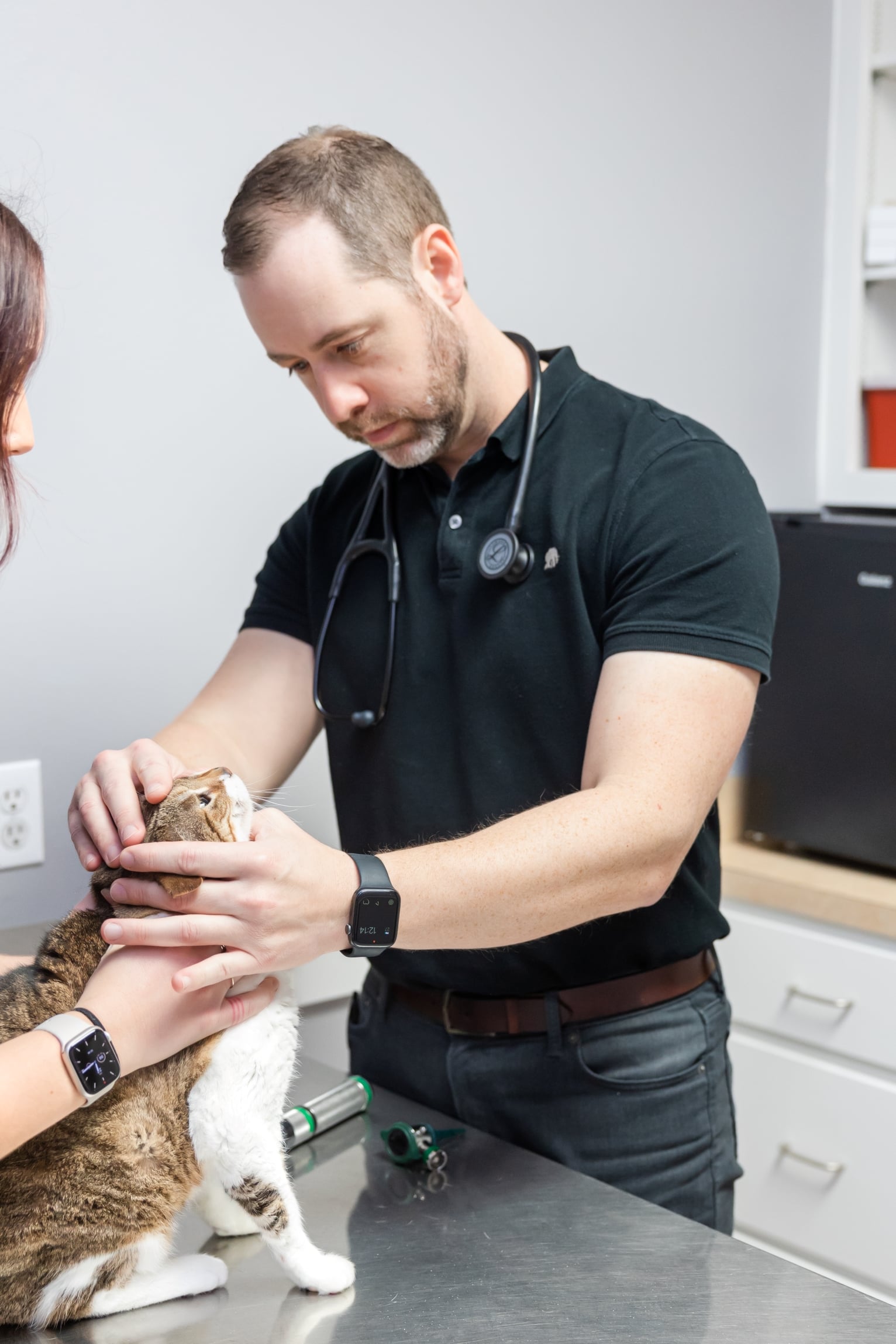
The road to better fitness is paved with small, deliberate decisions. A short walk after dinner becomes a ritual that your dog anticipates with a wag and a smile. A few minutes of gentle stretching for your aging cat can extend the range of motion that matters most for daily comfort. And when you observe a pet moving more freely, greeting you with energy rather than reluctance, you know you have chosen well.
For prairieville families who want a trusted partner in this journey, our doors remain open. Prairieville Animal Hospital veter-inary teams are ready to discuss your pet’s unique needs, review your current routine, and adjust plans as life evolves. We bring clinical experience and day-to-day practicality to the table, helping you build a fitness routine that your pet looks forward to and that you can sustain.
The value of a guided, thoughtful approach cannot be overstated. A well-designed activity plan reduces the risk of injury, supports healthy aging, and enriches the bond between you and your companion. It is an investment in vitality, shared experiences, and a daily sense of well-being that only comes from moving together in a sustainable way. The prairie setting and the cadence of everyday life offer a natural playground for both pets and people alike. With careful planning, steady progression, and attentive veterinary oversight, you can transform movement from obligation into a meaningful part of living well.
If you’d like to discuss a tailored fitness plan for your pet, reach out to Prairieville Animal Hospital. Our veterinarian PrairievilleAnimalHospital.com team is equipped to evaluate age, breed, medical history, and lifestyle to craft a plan that fits your home. We will listen, observe, and guide you toward a pace that respects your pet’s body while still delivering the mental and physical benefits of regular activity. The goal is simple and achievable: a happier, healthier animal who enjoys the daily rhythm of movement, play, and companionship.