Vaccinations for Pets Prairieville Animal Hospital: Seasonal Considerations
Vaccination schedules feel like a plan you need to adapt, much the way we adjust heartworm prevention for shifting weather or flea patterns. At Prairieville Animal Hospital, vaccines are not a one size fits all set of commands. They are a living protocol that responds to a pet’s age, lifestyle, health history, and the rhythms of the season. For families, that means understanding why timing matters, how our clinics tailor recommendations, and what practical steps you can take to keep your companion protected year round.
A practical rhythm of protection starts with recognizing the way seasons influence exposure risk and pet behavior. In warm months, dogs and cats spend more time outdoors, exploring neighbors’ yards and local parks. In cooler seasons, indoor environments can become the stage for respiratory viruses and the occasional household exposure. The goal is not to chase every possible threat but to create a reliable shield that reduces disease risk during the moments when life is most active for your pet. Our approach at prairievilleanimalhospital.com veterinary clinic blends evidence, local disease patterns, and the realities of daily life for pet owners in the Prairieville area.
Seasonal considerations are not abstract. They influence what vaccines are essential, when to administer them, and how to plan around life events like travel, boarding, or surgeries. They also shape conversations about pet wellness exams Prairieville Animal Hospital offers throughout the year. Regular visits create touchpoints that verify a pet’s immune status, discuss any health changes, and adjust vaccines when needed. In this article, you’ll find a concrete look at how we think about vaccines across the calendar, complemented by practical tips, common questions, and real-world examples from our everyday work with pets and their families.
Core vaccines, the foundation of protection, sit on a predictable schedule. They are chosen to cover diseases that pose significant risk with broad potential for exposure, regardless of season. The core set for dogs typically includes canine distemper, adenovirus, parvovirus, and rabies. For cats, core vaccines commonly cover feline herpesvirus, calcivirus, panleukopenia, and rabies. The exact timing depends on the vaccine type and local guidelines, but the underlying principle remains consistent: initial series to establish immunity, followed by boosters at defined intervals to maintain protection.
Beyond core protection, there are non-core vaccines that come with a more weathered understanding of risk. These vaccines address diseases that may be more prevalent in certain parts of the year or in particular environments. For prairieville families, a seasonal lens helps determine whether a non-core vaccine makes sense for your pet. If your dog spends long days in the sun at the local dog park, if your cat’s indoor life occasionally includes wandering outside on mild days, or if you travel during certain months, these questions become especially relevant. At Prairieville Animal Hospital we tailor recommendations to the pet and the owner, not to a generic calendar.
Seasonality shapes more than the vaccines themselves. It informs curbside scheduling during peak times, the pacing of a vaccination visit alongside a wellness exam Prairieville Animal Hospital pet wellness exams, and the practicalities of post-vaccination observation. The goal is steady protection with minimal disruption to family life.
A closer look at timing helps translate theory into action. For puppies and kittens, the early vaccination window is a critical period. We often start vaccines around 6 to 8 weeks of age and proceed with a series every 3 to 4 weeks until about 16 weeks. Rabies is typically given once around 12 weeks, with a follow-up booster depending on the vaccine and local requirements. This early phase is where the immune system builds its foundation, and it is also a time when exposure risk ramps up quickly as curious youngsters explore the world.
That early window is followed by reminders and plan adjustments as the pet matures. For adult dogs and cats, the interval for boosters depends on the vaccine product and the pet’s medical history. A central piece of our practice is to verify antibody status when appropriate, especially for pets with a missing or uncertain vaccination history. Where possible, we use the pet’s records, coupled with clinical assessment, to decide whether a booster is needed now or later. This is where the annual wellness exam merges with vaccination strategy, ensuring that protection remains aligned with a pet’s current health status.
Seasonal logic also affects how we handle travel and boarding needs. A family planning a summer vacation or a winter trip may want to coordinate vaccines so they are current before departure, and to ensure paperwork is in order for boarding facilities or international travel. Some facilities require or encourage specific timelines for vaccines to avoid last-minute stress. At Prairieville Animal Hospital we can help map out a vaccination plan that aligns with travel dates, boarding schedules, and routine care.
In the sections that follow, I’ll share practical ways to think about vaccinations in the context of the seasons. You’ll find real-world considerations drawn from our experience in the Prairieville community, along with concrete steps you can take to keep your pet protected without feeling overwhelmed by the calendar.
Core protection in practice
Core vaccines form the backbone of prevention. They are designed to withstand the typical patterns of exposure in most environments and are the most reliable safeguard against severe disease. The primary point to keep in mind is that a strong core vaccination program relies on both the initial series and subsequent boosters. A lapse in boosters can reduce protection and create windows of vulnerability that are entirely avoidable with a simple plan.
For puppies and kittens, the initial vaccination sequence is time-sensitive. Delays beyond the recommended windows can reduce the response to the vaccines and complicate protection in early life. In many cases, we see households adjusting routines around children, holidays, and travel, all of which can cloud the best-laid vaccination plan. The practical approach is to set expectations early and build a plan that includes reminders from the clinic and a calendar that stays visible in the home. When families make vaccines a regular event, the process becomes routine rather than a hurdle.
For adult dogs and cats, boosters are key to maintaining immunity. The exact schedule can vary, but in general we aim to reestablish baseline protection at intervals that reflect the product’s design and the pet’s risk exposure. In seasonal terms, boosters are not a go-it-alone effort. They ride on the wave of wellness exams, which give us a chance to spot subtle health changes that might influence vaccine recommendations. A pet with chronic inflammation or immune suppression, for example, may require adjustments to timing or product selection. The clinic can discuss these nuances and help you plan around any health considerations that could influence the vaccine plan.
Non-core considerations and seasonal nuance
Seasonal variation comes into sharper relief when you consider non-core vaccines. The decision to pursue these vaccines rests on a blend of geography, exposure risk, lifestyle, and life-stage. In Prairieville, the local disease ecology and common pet activities inform a measured approach. If your dog attends a dog daycare, runs in large outdoor spaces, or regularly interacts with other dogs at parks, non-core vaccines may offer meaningful protection. If your cat has access to outdoor spaces in milder months, a non-core vaccine might be worth considering. Our conversations with families are practical and grounded in the realities of day-to-day life rather than an abstract risk assessment.
A quiet but important factor is how weather patterns influence disease prevalence in the region. Warmer months can correlate with higher outdoor activity, more encounters with wildlife, or seasonal shifts in parasite-borne illnesses. In cooler seasons, indoor lifestyles can still carry risk, particularly for viruses that spread easily in close-contact environments. The aim is to match vaccines to the periods when exposure is most likely and to align with a family’s ability to maintain a steady schedule.
Two concise examples help illustrate how a seasonal lens works in real life:
-
A family with a shed outbuilding and a dog that helps with yard chores may encounter higher exposure to wildlife intrusions during late spring and early summer. In that scenario, a non-core vaccine option could be discussed as part of a broader preventive strategy, particularly if social outings and boarding become frequent during these months.
-
A household with a cat that spends evenings on a porch or in sunlit windows may have different exposure patterns than an indoor-only cat. If outdoor access happens mainly in pleasant weather, we might time certain non-core vaccines to align with that period, then pause during the colder seasons when outdoor risk drops.
Practicalities that make a difference
One of the most effective tools for keeping on top of vaccines is a simple, reliable process. At Prairieville Animal Hospital we encourage families to approach vaccination as a routine care milestone rather than a one-off appointment. The front desk can help you set reminders that fit your family calendar, and the veterinary team reviews the pet’s health history at each wellness exam to decide whether a booster is due.
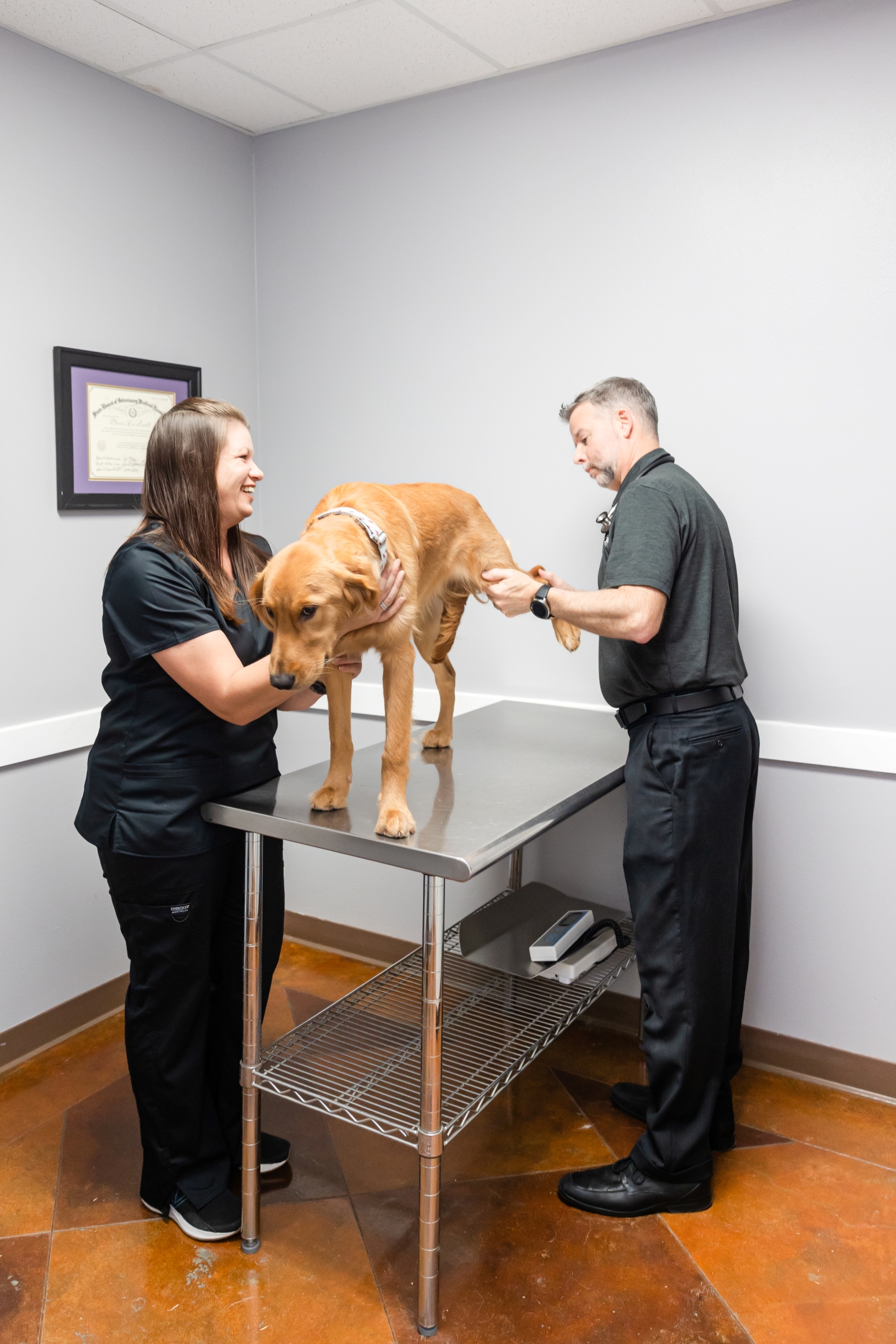
The logistics of vaccination visits deserve attention too. The goal is to minimize stress for the pet and the owner while ensuring the vaccines are administered correctly. In many cases, we schedule vaccines to coincide with a wellness exam Prairieville Animal Hospital pet wellness exams, which creates a single, efficient visit that addresses both health status and immune protection. For pets with anxious dispositions, we offer calming protocols and a quiet examination room to ease the process. The underlying idea is to keep vaccine visits predictable and humane, not to create unnecessary friction or fear.
A note on safety and monitoring. Vaccinations are medical procedures, and like all medical interventions they carry some risk. In practice, adverse events are rare and generally mild, such as temporary soreness at the injection site or a short-lived fever. More serious reactions are uncommon, but we’re prepared to respond quickly if a reaction occurs. The clinic’s policy is to observe a post-vaccine period in the clinic or provide guidance on what to watch for at home and when to seek urgent care. This plan is discussed during the appointment, reinforcing a sense of partnership with families who want to protect a beloved pet without surprises.
The seasonal frame extends to dental and dental-related care as well. Seasonal routines often intersect with dental health because pets experience changes in appetite, life stage, and activity level across the year. A comprehensive preventive plan includes vaccinations as part of a broader wellness approach that also covers dental care Prairieville Animal Hospital pet dental care, which helps prevent oral disease that can complicate systemic health and, in turn, influence vaccine considerations.
Audience realities and the value of a thoughtful plan
Owners come to us with different backgrounds, schedules, and levels of information. Some have a long history with a particular clinic; others are newer to pet ownership and face the learning curve of vaccination terminology, scheduling, and the paperwork required for travel or boarding. The best approach is to meet families where they are, then build a plan that grows with the pet. A reliable plan recognizes that life is busy and that pet health is not a detached element but an ongoing commitment that touches every corner of the home.
The experience of caring for pets in this community has taught us to balance clarity with flexibility. We strive animal hospital near me to explain the why behind each vaccine and to outline the concrete steps involved in keeping protection current. We share examples from our day-to-day practice, such as how a dog who frequents public spaces benefits from timely boosters just before peak outdoor season, or how a cat with indoor-outdoor access may maintain robust protection with a thoughtfully timed series of vaccines aligned with seasonal contact patterns.
Two practical lists capture the essence of a seasonally informed vaccination approach. They are compact by design, intended to serve as quick references rather than exhaustive checklists:
- Core vaccination principles in practice
- Seasonal considerations that shape non-core vaccine discussions
If you want to apply these ideas directly, consider your pet’s typical year and map the vaccination touchpoints to your family calendar. For instance, a puppy’s first vaccines often occur at 6 to 8 weeks, with subsequent doses at 3 to 4 week intervals, and a rabies dose around 12 weeks. For the adult pet, you may be looking at boosters every 1 to 3 years depending on the vaccine type and health status. These timelines are general guidelines; your veterinarian will tailor them to your pet’s needs and the realities of your season.
A human-centered, science-grounded approach to vaccines

Vaccine discussions should always begin with the pet, then pivot to the family’s capacity to maintain a schedule. We don’t intend to overwhelm with details, yet we want to empower. Understanding that vaccines are a shield against disease is essential, but understanding the plan behind the shield is equally important. The most useful conversations occur when you share your pet’s routine: where they go, how much time they spend with other animals, their travel plans, and any preexisting health conditions. The veterinarian uses that information to adjust the vaccine plan while staying within the established safety and efficacy guidelines.
In practice, this means you’ll often see a detailed review during a wellness exam Prairieville Animal Hospital pet wellness exams. The trained team will assess current protection levels, review records, and discuss any gaps or upcoming boosters. The conversation typically covers not only vaccines but also other components of preventive care, including parasite control, dental health, nutrition, and environmental safety. The aim is a cohesive plan that aligns with a pet’s evolving health status and the family’s capacity to maintain it.
A note on edge cases and exceptions
Every dog and cat is a unique case. Some pets have histories that require more frequent monitoring or adjustments to standard vaccine schedules. For instance, pets with immune-mediated issues, chronic illnesses, or those undergoing immunosuppressive therapies may have altered vaccination timing. In other situations, a pet may be transitioning between clinics or have patches of missing history. In such cases, we perform a careful assessment, often including blood tests to gauge immune status when appropriate, and we proceed with a plan that prioritizes safety and long-term protection.
Edge cases also arise in the context of travel. International travel may demand specific vaccines, documentation, and timing windows. If you anticipate a trip that involves air travel or boarding, we can help map out the required immunizations and ensure you’re not pressed by deadlines. The process becomes smoother when the plan starts well before the trip, rather than last-minute adjustments that can cause stress for both you and your pet.
A reminder about the broader picture
Vaccinations are part of a holistic approach to pet health. The healthiest outcomes come from a combination of vaccines, routine wellness care, proper nutrition, parasite control, dental health, exercise, mental stimulation, and a safe living environment. A seasonally aware plan integrates these elements, recognizing that disease prevention is not a single shot but a practical system of care. Our team at prairievilleanimalhospital.com veterinary clinic is committed to guiding families through that system with clarity, empathy, and solid clinical guidance.
A final thought on seasonal care in Prairieville
Seasons influence risk, but they do not dictate fate. With thoughtful planning, vaccines can be scheduled in a way that respects your life and protects your pet when exposure is most likely. The best outcomes come from working with a team that knows the local environment, understands the practical realities of family life, and communicates in clear, actionable terms. If you’re organizing a wellness plan for the coming months, start by considering:
- Your pet’s age, health status, and lifestyle
- The times of year you travel or board your pet
- Any local exposures that seem seasonally more likely
Then reach out to Prairieville Animal Hospital. Our team will review your pet’s vaccination needs in the context of the season and help you design a plan that remains stable across months while staying responsive to changes in health or routine. We’re here to support you with a practical, humane, and scientifically grounded approach to vaccinations for pets.
Throughout the year, this commitment translates into better protection, fewer emergency visits, and a calmer pace for you and your companion. The difference shows up in the quiet moments when your dog sits contentedly at your feet after a long day of outdoor activity, or when your cat curls up in a sunlit window, safe in the knowledge that you’ve kept a careful watch over vaccines and wellness. That peace of mind comes from a seasonally informed plan that respects both the science of immunology and the lived reality of pet ownership.
If you’d like to discuss your pet’s ongoing vaccine plan, or to schedule a wellness exam that includes a vaccine review, contact Prairieville Animal Hospital. We’ll tailor the discussion to your pet’s unique situation and help you navigate the year with confidence. The conversation about vaccines is not a one-time event; it is part of a broader, ongoing commitment to your pet’s health and happiness. We value the chance to partner with you in that work, through every season and every mile of your pet’s life.